

How to Use Your Tax Refund Wisely: Turn a One-Time Boost into Long-Term Financial Stability
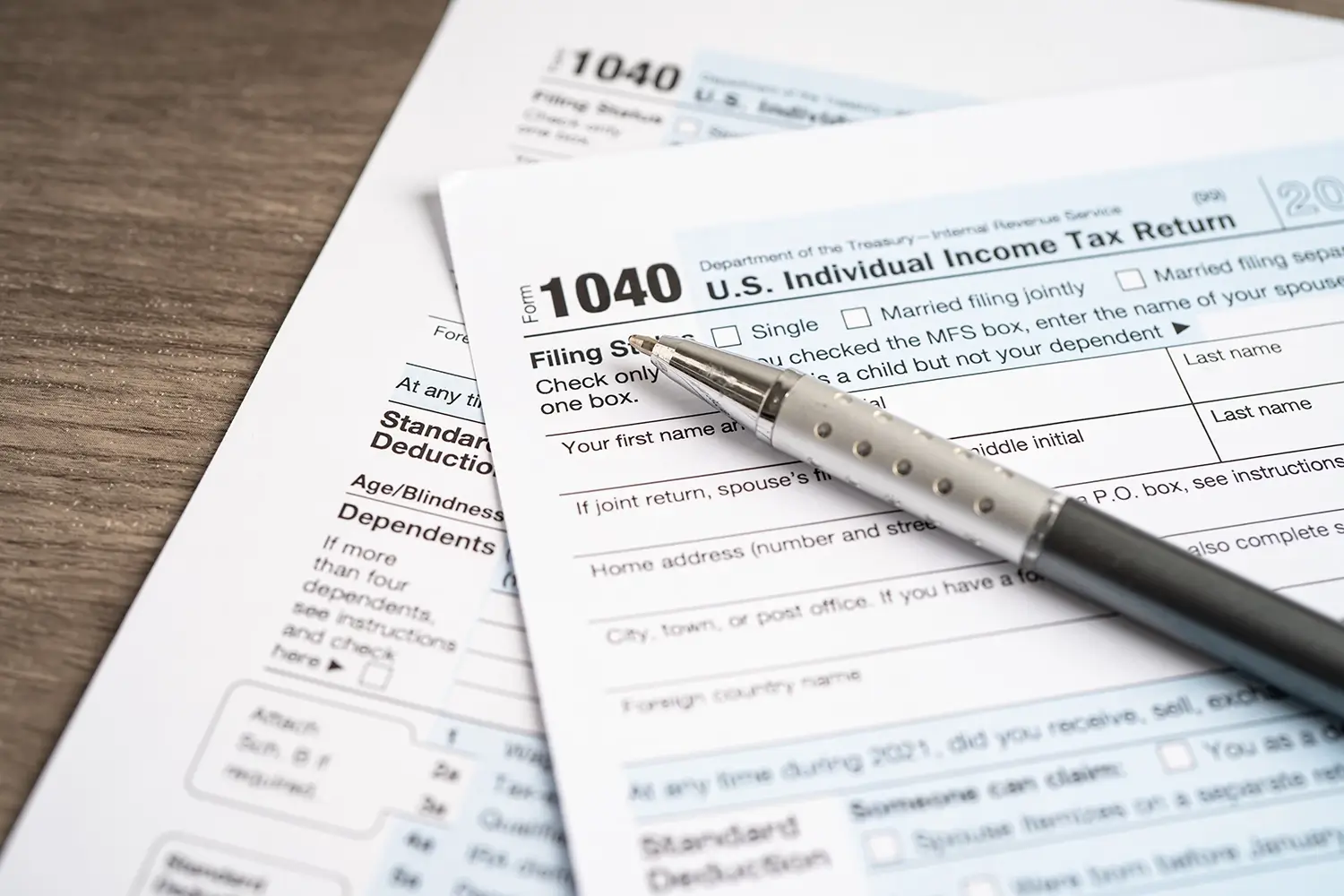
For many Americans, tax season comes with a welcome surprise, a refund. Whether it’s a few hundred dollars or several thousand, that lump sum can feel like a financial reset button. It’s tempting to treat it like bonus money. A vacation, a shopping spree, or finally upgrading something you’ve had your eye on.
And while there’s nothing wrong with enjoying a portion of it, how you use your tax refund can have a lasting impact on your financial future. With a little planning, that one-time payment can become something much more powerful: a step toward stability, less stress, and long-term financial progress.
Why Your Tax Refund Matters
A tax refund isn’t just “extra” money, it’s your money being returned after you’ve overpaid throughout the year. That makes it a unique opportunity to make intentional decisions that can strengthen your financial foundation.
When used wisely, a refund can help you pay down debt faster. It can build a safety net for surprise expenses. It can improve your credit health. It can also build momentum toward your long-term goals. It’s not just about what you receive, it’s about what you do with it next.
Smart Ways to Put Your Refund to Work
One of the most effective ways to use your refund is to pay down high-interest debt. Credit cards and similar balances can quietly grow over time, making it harder to get ahead.
Applying your refund (even partially) can reduce the total interest you’ll pay, ease monthly financial pressure, and improve your credit utilization. It’s one of the fastest ways to create breathing room in your budget.
Another smart move is to build or strengthen your emergency fund. Life is unpredictable, and unexpected expenses can happen at any time. If you don’t yet have savings set aside, your refund is a great place to start. Even setting aside $500 to $1,000 can make a meaningful difference. Over time, working toward three to six months of essential expenses can provide lasting peace of mind and reduce reliance on credit when surprises arise.
If you’ve fallen behind on bills, your refund can also help you catch up and reset. Bringing past-due accounts current can prevent late fees, reduce collection activity, and protect your credit standing. More importantly, it helps you move forward without the weight of overdue balances holding you back.
For those in a more stable position, using part of your refund to invest in the future can be a powerful choice. This might mean contributing to a retirement account, pursuing education or job training, or setting aside savings for long-term goals. Even small investments today can grow into meaningful opportunities down the road.
At the same time, it’s important to allow yourself some flexibility. Setting aside a small portion of your refund for enjoyment can help you stay motivated and avoid feeling restricted.
Financial wellness isn’t about deprivation, it’s about balance. By taking care of your priorities first, you can enjoy what’s left without guilt.
A Simple Plan to Stay on Track
If you’re unsure how to divide your refund, a simple approach can help. Consider allocating a portion toward debt repayment, another toward savings, and a smaller portion for personal use.
For example, many people find success with a structure like 50% for debt, 30% for savings, and 20% for flexible spending or future goals.
The exact breakdown will depend on your situation, but the key is having a plan before the money arrives. Without one, it’s easy for a refund to disappear quickly. With one, it becomes a tool for meaningful progress.
Plan Ahead for the Greatest Impact
Before your refund hits your account, take a moment to think about your priorities. Ask yourself which financial goal matters most right now.
Consider where this money can have the biggest impact. Think about how you can use it to reduce future stress. These simple questions can shift your mindset from short-term spending to long-term stability.
If you’re unsure how to make the most of your tax refund, or if debt is making it difficult to move forward, you’re not alone. Take Charge America offers free, confidential credit counseling. We help you make a personal budget. We review options to manage debt. We also build a plan for your financial future. A tax refund is more than just a seasonal boost, it’s an opportunity to take control of your financial direction.
With thoughtful decisions and a clear plan, you can turn that one-time payment into lasting progress. Reduce stress, build stability, and take meaningful steps toward a more secure future. Because in the end, it’s not about how much you receive, should I use my tax refund to pay off debt or save how wisely you use it matters.
Call 877-357-6309 or get a free online estimate to see whether you could lower your monthly payment and save on interest.
Frequently Asked Questions About Using Your Tax Refund
What is the best way to use a tax refund?
The best way to use a tax refund is to prioritize financial stability. This often includes paying down high-interest debt, building an emergency fund, or catching up on bills. Once essential needs are covered, you can use a smaller portion for personal enjoyment or future goals.
Should I use my tax refund to pay off debt or save it?
If you have high-interest debt, it’s usually more beneficial to pay that down first, as interest can grow quickly. If your debt is manageable, consider splitting your refund between debt repayment and savings to create both immediate relief and long-term security.
Can a tax refund help improve my credit score?
Yes, a tax refund can help improve your credit score if used to pay down credit card balances or past-due accounts. Lowering your credit utilization and staying current on payments are key factors in improving your credit.
Why do I get a tax refund in the first place?
A tax refund typically occurs when you’ve paid more in taxes throughout the year than you owed. This can happen due to paycheck withholdings or eligible tax credits.
What mistakes should I avoid with my tax refund?
Common mistakes include spending the entire refund impulsively, ignoring high-interest debt, and not setting aside any savings. Without a plan, it’s easy for a refund to disappear quickly without creating long-term benefit.
How can I use my tax refund to reduce financial stress?
Using your tax refund to pay off debt, catch up on bills, or build an emergency fund can significantly reduce financial stress. These actions create stability and help you feel more in control of your finances.
What if I’m overwhelmed and don’t know how to use my tax refund?
If you’re unsure how to use your tax refund, speaking with a financial professional can help. Take Charge America offers free, confidential credit counseling to help you create a plan, manage debt, and build a stronger financial future.
Related Posts

7 Essential Financial Skills for Young Adults
None of us were born knowing how to handle our finances. It’s a skill that we learn over time often…
Read More
It’s Your Day! Enjoy these Birthday Freebies.
That old saying, "There's no such thing as a free lunch," is mostly true. Unless it's your birthday! Many national…
Read More
Phishing and the Target Data Breach
Not only are more than 40-million Target customers dealing with news of the data breach that compromised their credit and…
Read More